What Makes a Plant Compatible?
Some of what is growing on the right-of-way is holding the corridor for you. See what decides whether a plant stays.
The Three Compatibility Factors
A compatible plant can remain on the right-of-way without putting the lines at risk. The utility determines that using three factors.

Use of the site
Which zone it is in, and keeping access clear
Growth habit
How tall it gets, and how fast

Plant health
Dead or decaying within reach of the lines
A plant must clear all three.
1. Use of the Site
The main factor. Where a plant is standing decides what is allowed there.
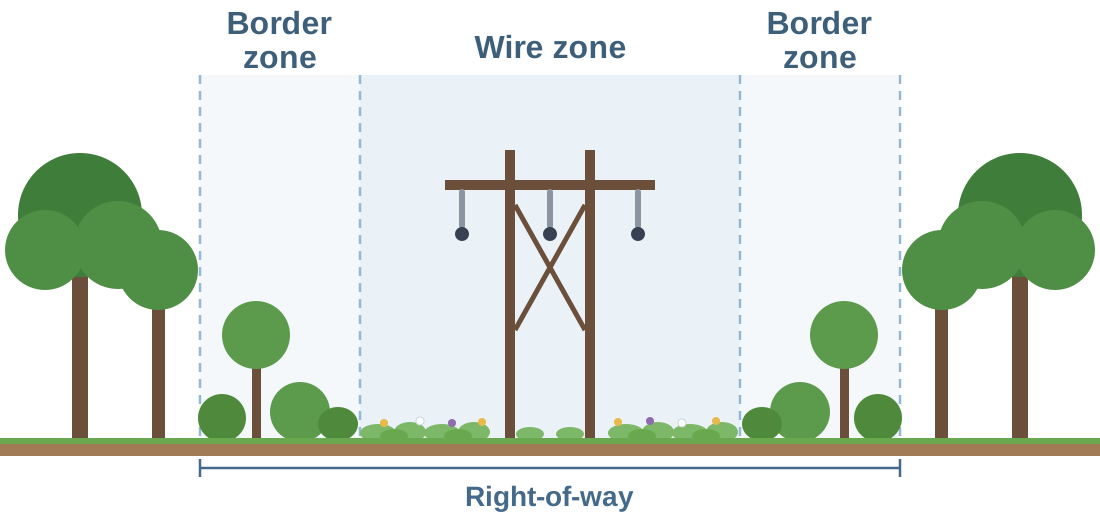
Wire zone
Under the wires and out both sides. Managed to promote low-growing vegetation. A tall species here grows into the conductors and causes flashovers.
Border zone
The outer edge of the right-of-way, outside the wire zone. Taller species can be carried here.
Low-growing is not automatically compatible. A low shrub is still incompatible where it grows dense enough to inhibit access on the right-of-way.
2. Growth Habit
Height today is not the whole picture. Two plants the same size can be two different calls, because how fast each one grows decides how it gets handled.
Slow-growing
Prune and keep
It can be maintained in place through the cycle, and it deters faster-growing species from taking the spot.
Fast-growing
May need removal
In that same spot it outruns pruning and becomes a control problem before the cycle comes back around.
A slow grower left in place is doing work for you. It is occupying ground that a faster-growing species would otherwise take.
3. Plant Health
Dead or decaying wood next to the conductors is a fall-in risk. Watching for it is part of the job.
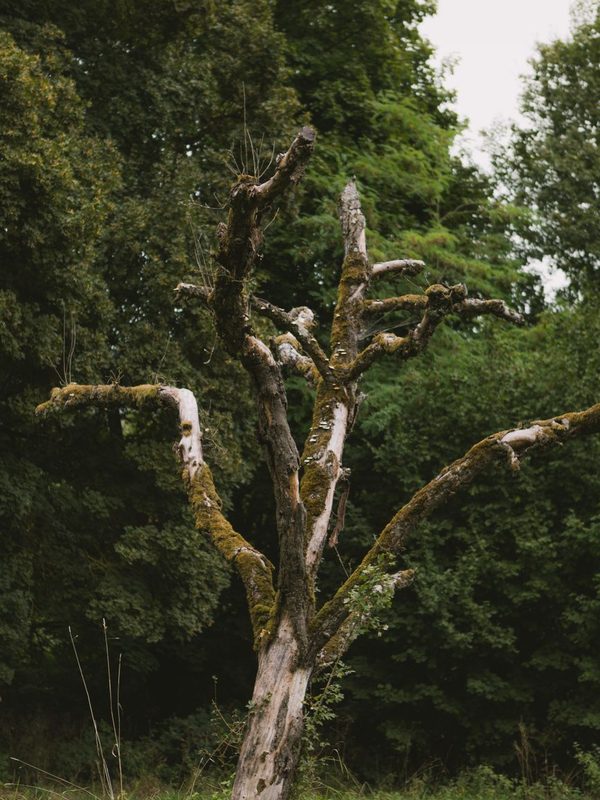
The same factor can work in a plant's favor. A healthy tree or shrub that poses a low risk may be allowed to grow, for the benefits it can provide to the area around it.
Health carries the most weight when the call is about a tree.
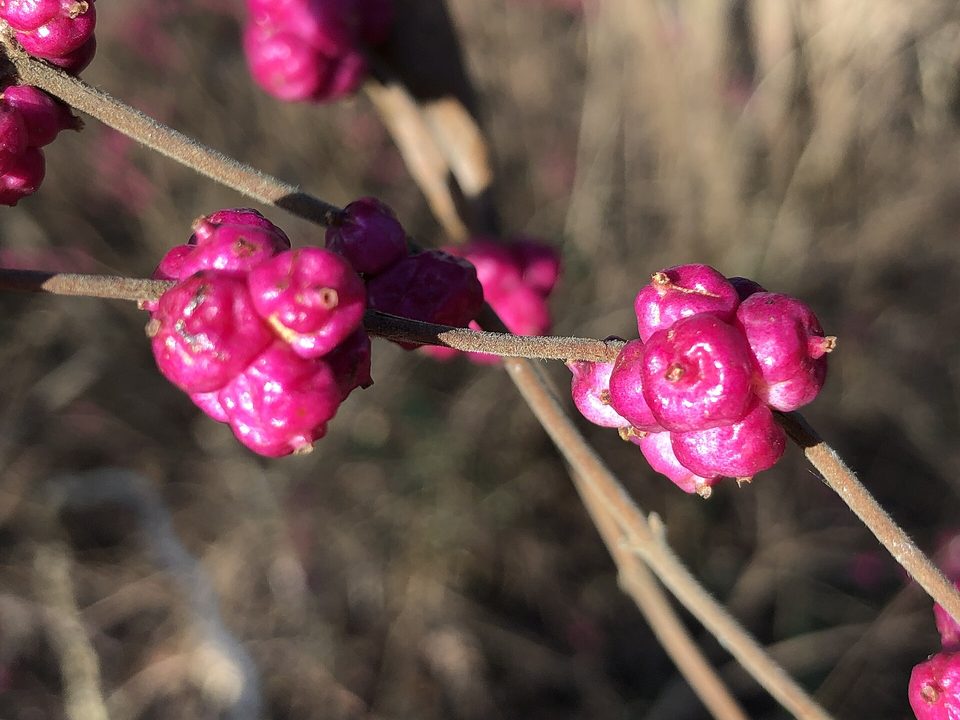
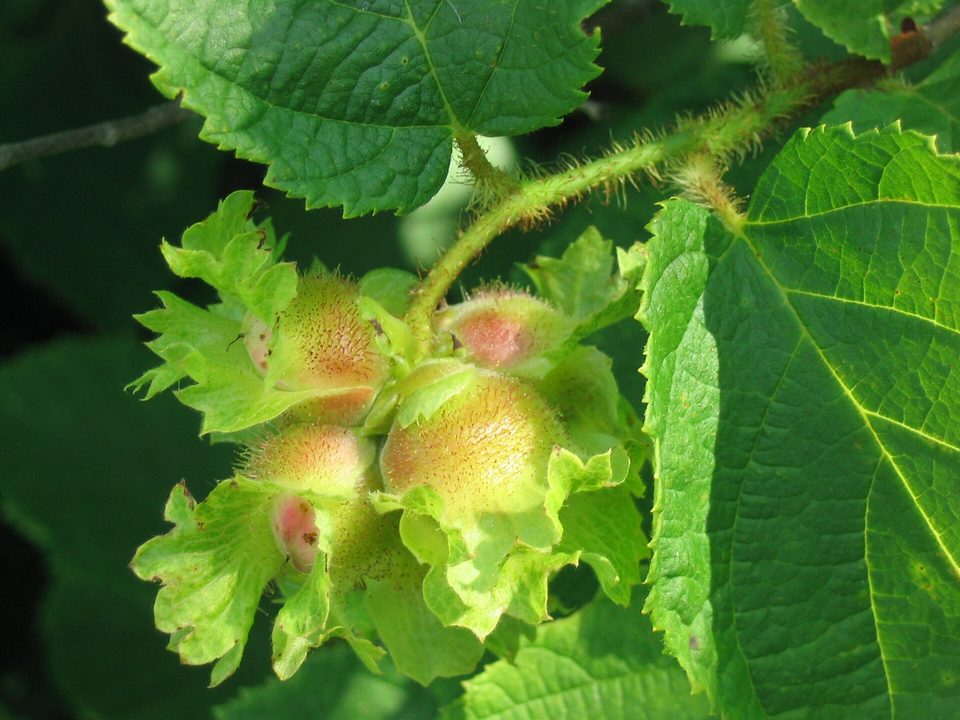
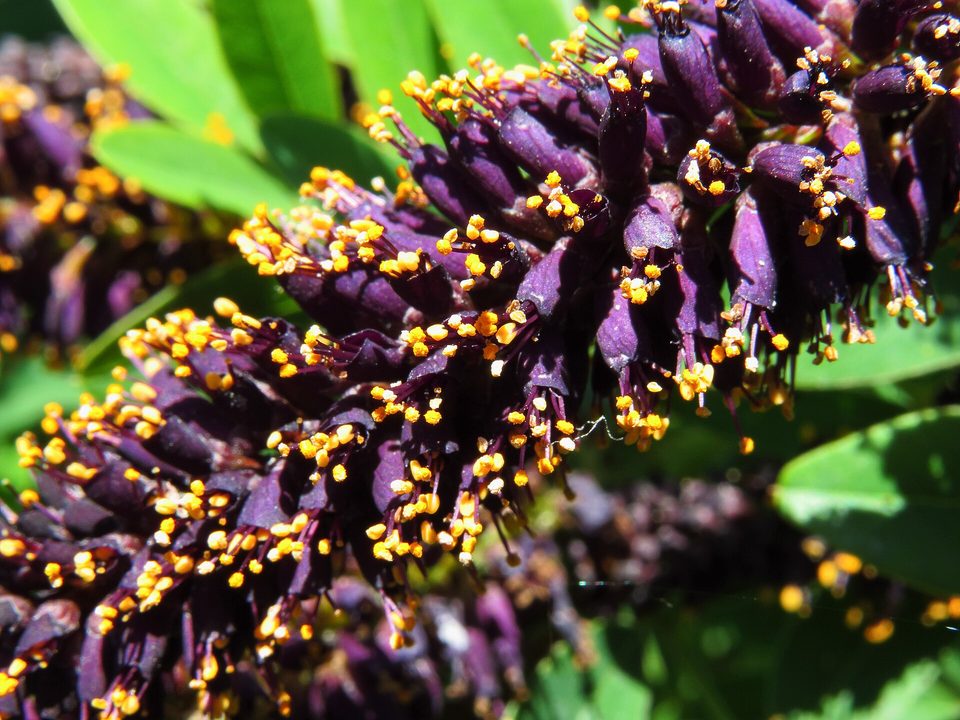
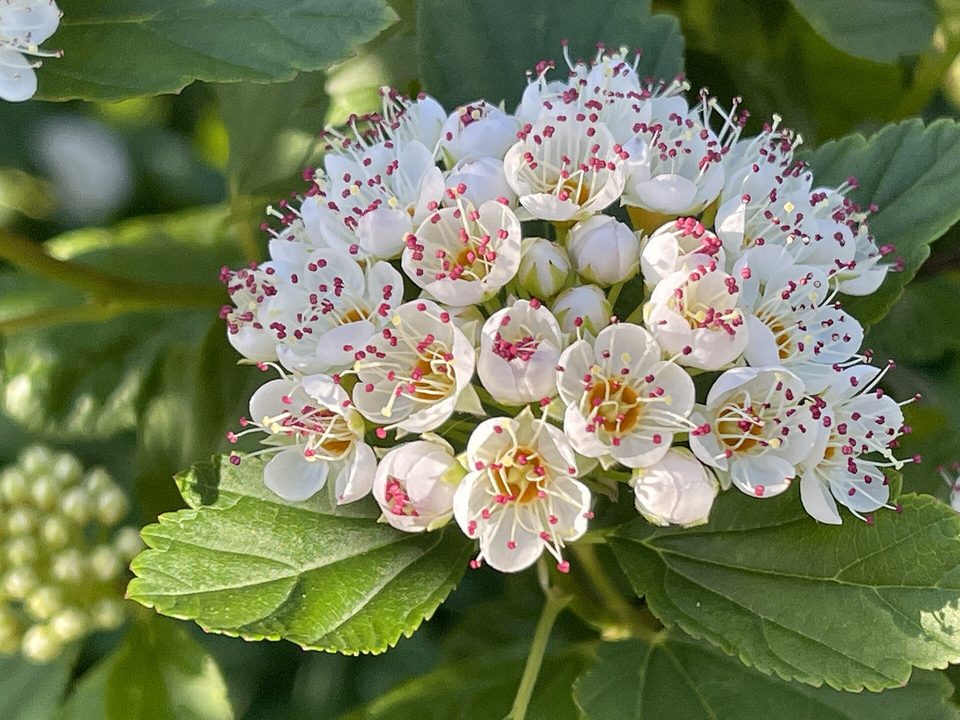
Compatible Species on the ROW
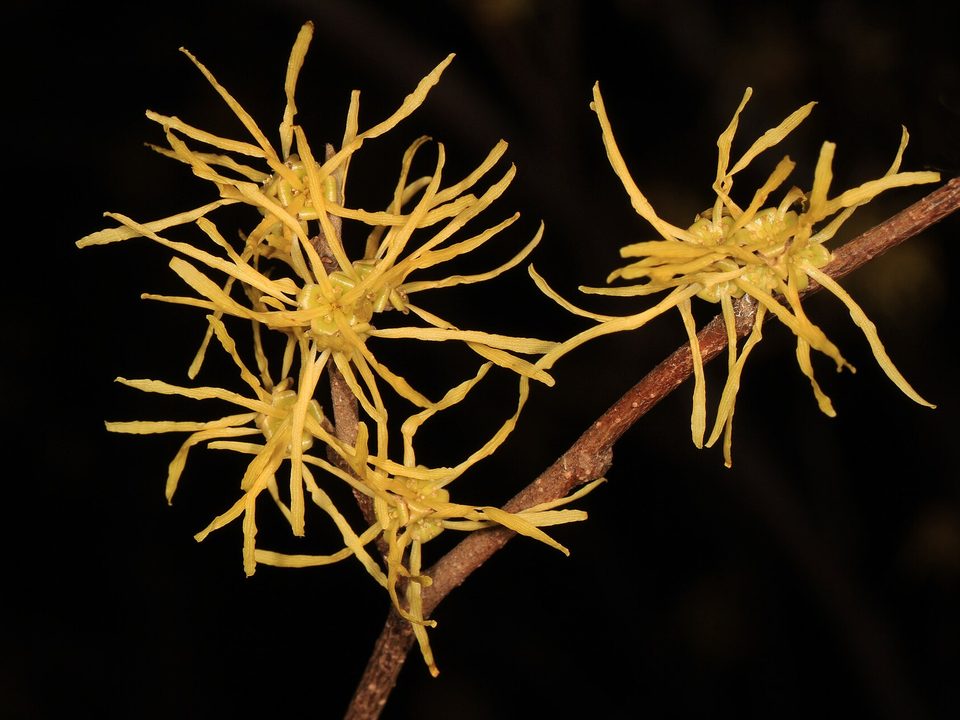
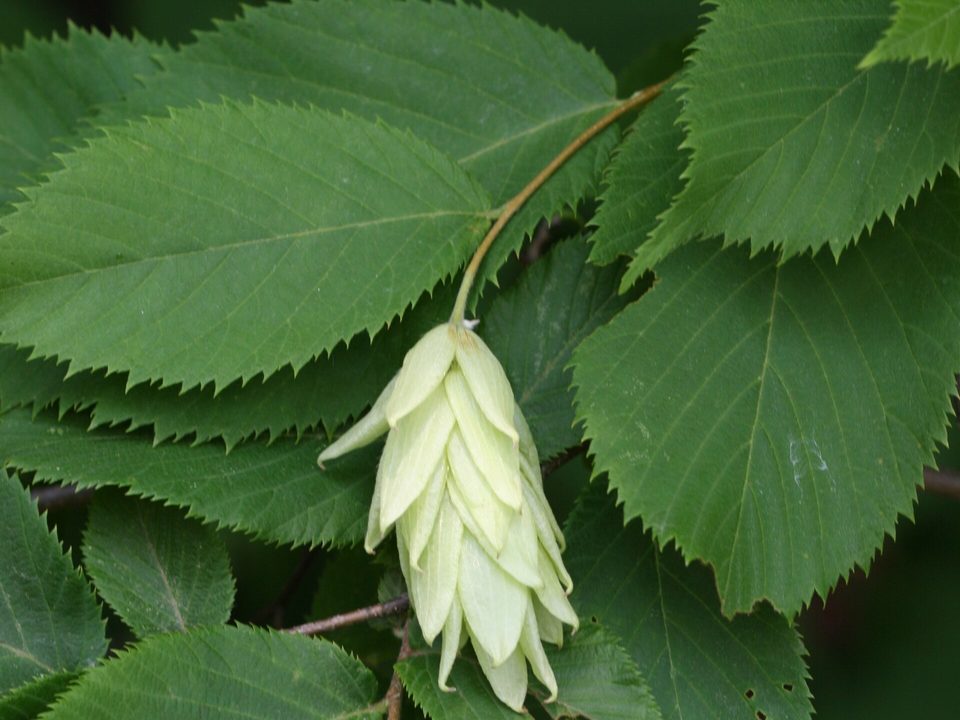
Compatible species are sometimes treated by mistake. These six are worth knowing on sight.
Why Compatible Cover Matters
Working low-growing compatibles into the plan is a form of biological control.
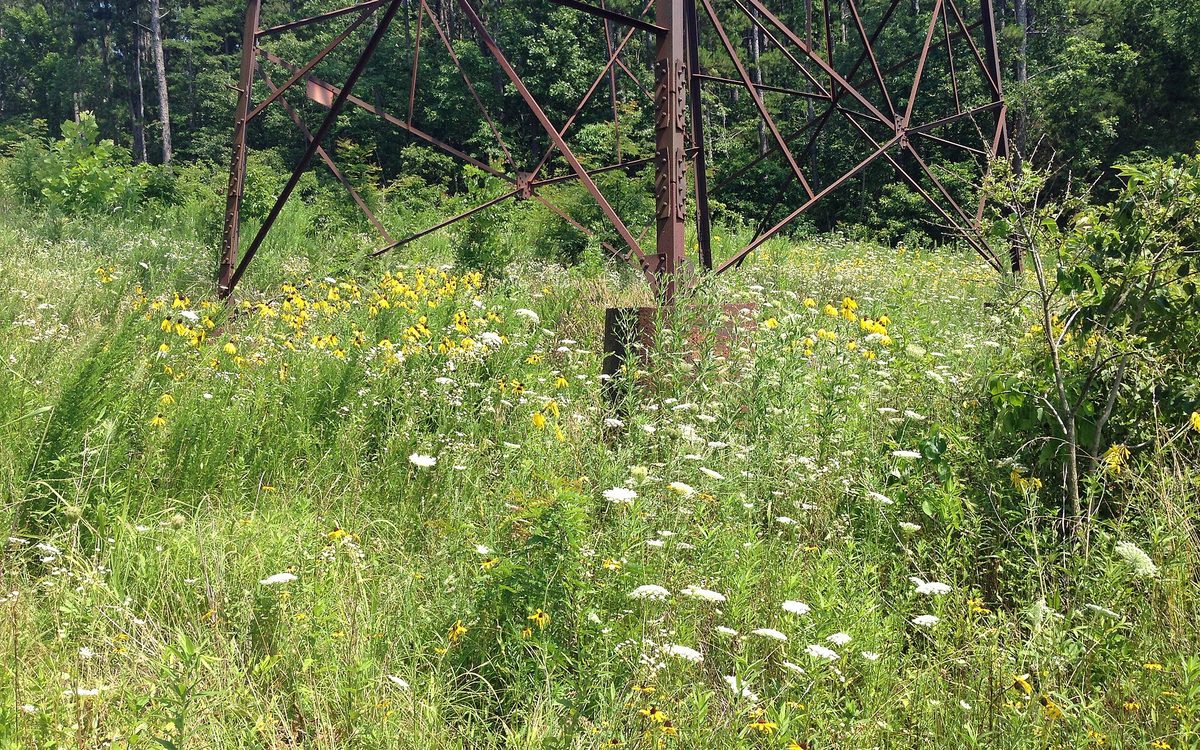
Integrated vegetation management (IVM) means promoting desirable, stable, low-growing plant communities that resist encroachment by tall growing tree species. That community competes for the light, water and room a tall species needs to get started.
Fewer and lighter interventions over the cycle, mechanical and chemical both, and less disturbance from either.
There is an ecological return as well. Birds, insects, small mammals and deer use these plants for nesting, food and shelter.
 Quick check
Adjacent to the wires, not under them. A healthy, slow-growing shrub about four feet tall, well below the conductors.
Keep or treat?
A. Keep
B. Treat
Quick check
A low-growing shrub thicket has filled in around a pole. It is dense enough that you cannot get to the equipment to inspect it.
Keep or treat?
A. Keep
B. Treat
Quick check
A large tree just outside the wire zone, within striking distance of the conductors. Bark is sloughing and the crown has several dead limbs.
Keep or treat?
A. Keep
B. Treat

Almost there
Answer all three checks and your score appears here.