Black Locust
vs False Indigo Bush
Similar leaves, different outcomes. Both are legumes with pinnate leaves, but false indigo bush stays shrubby and compatible in the border zone, while black locust can reach up to 60 feet and should be controlled.
Why They're Easily Confused
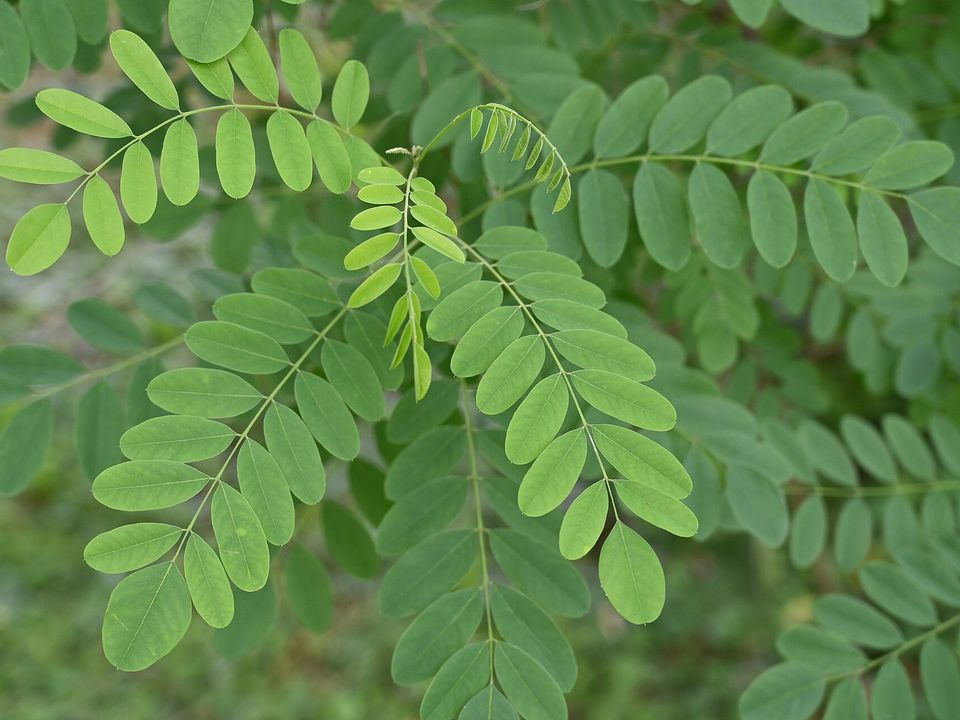
 Indigo Bush
stays under 10 ft
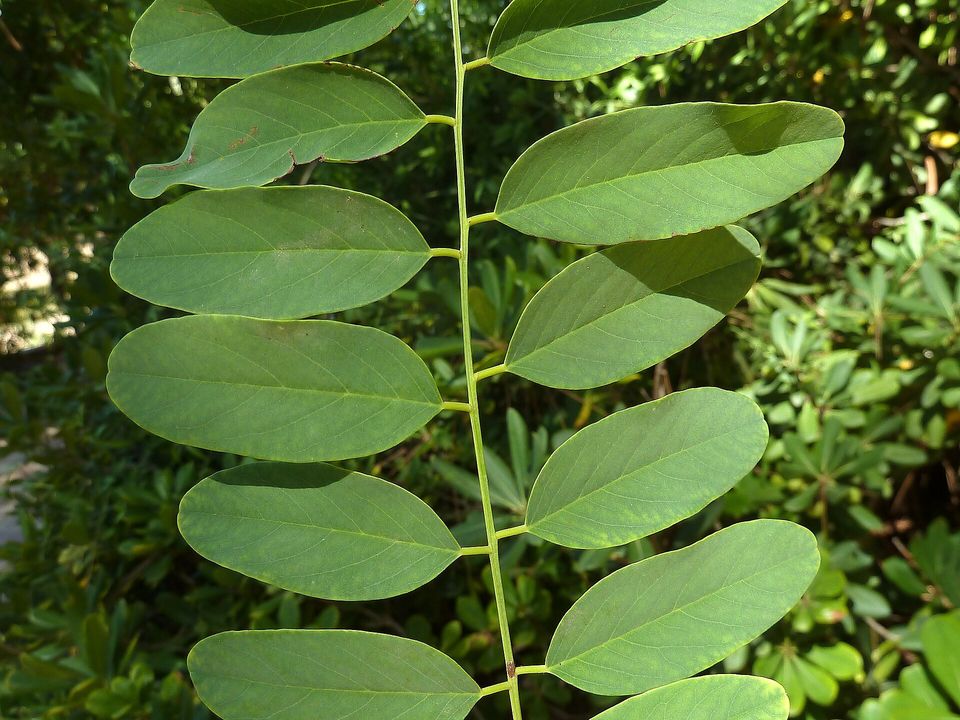
 Black Locust
grows to 60+ ft
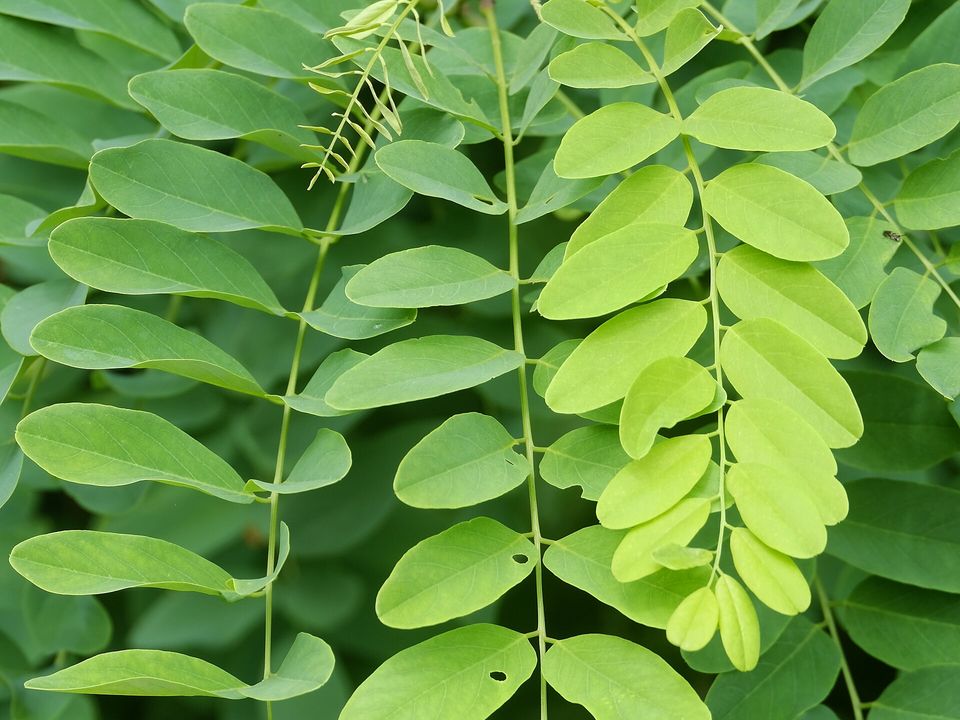
Both are legumes with the same pinnate compound leaves — small oval leaflets in two rows. From 30 ft away, the foliage is nearly identical.
False Indigo Bush is a forever-compatible shrub — max 10 ft, multi-stem, no thorns.
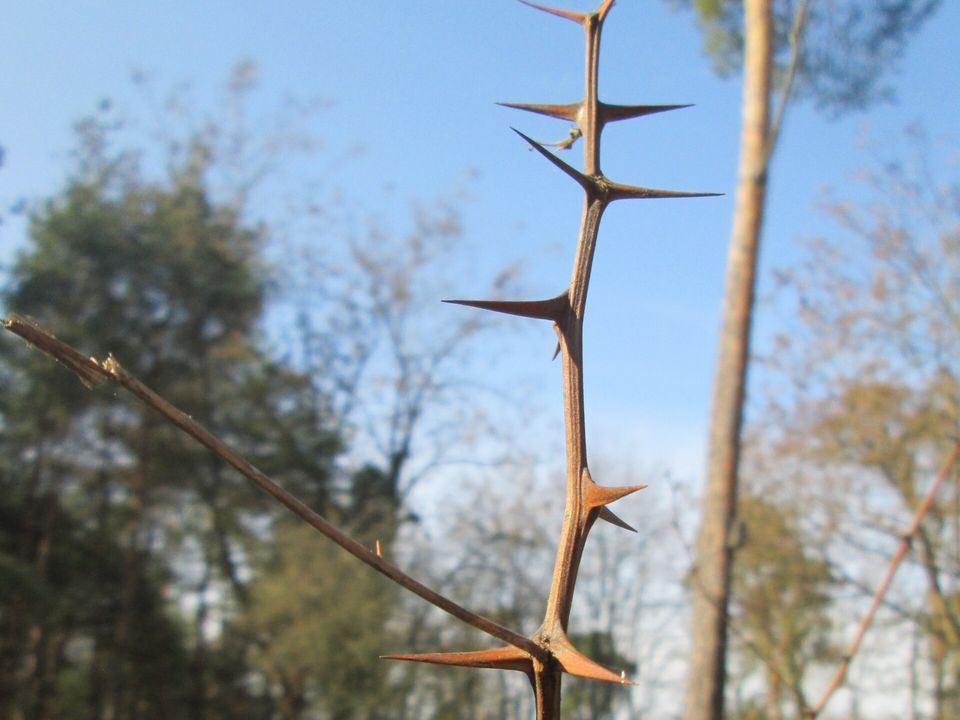
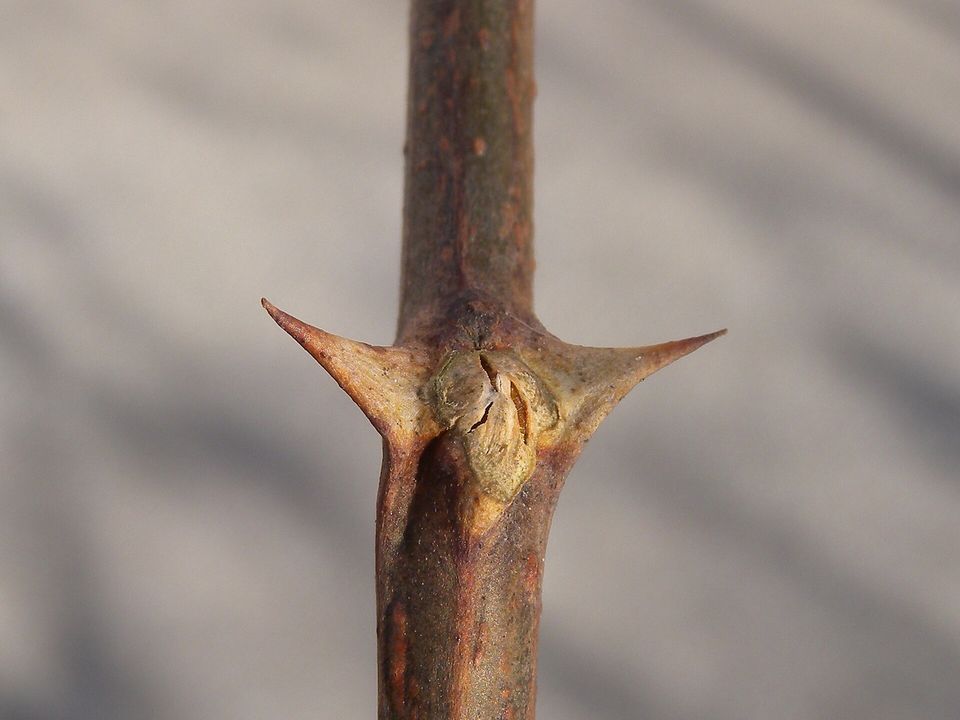
Black Locust is a 40–100 ft target tree, single-stemmed and armed with paired thorns.
Form & thorns
 Indigo Bush
multi-stem, unarmed
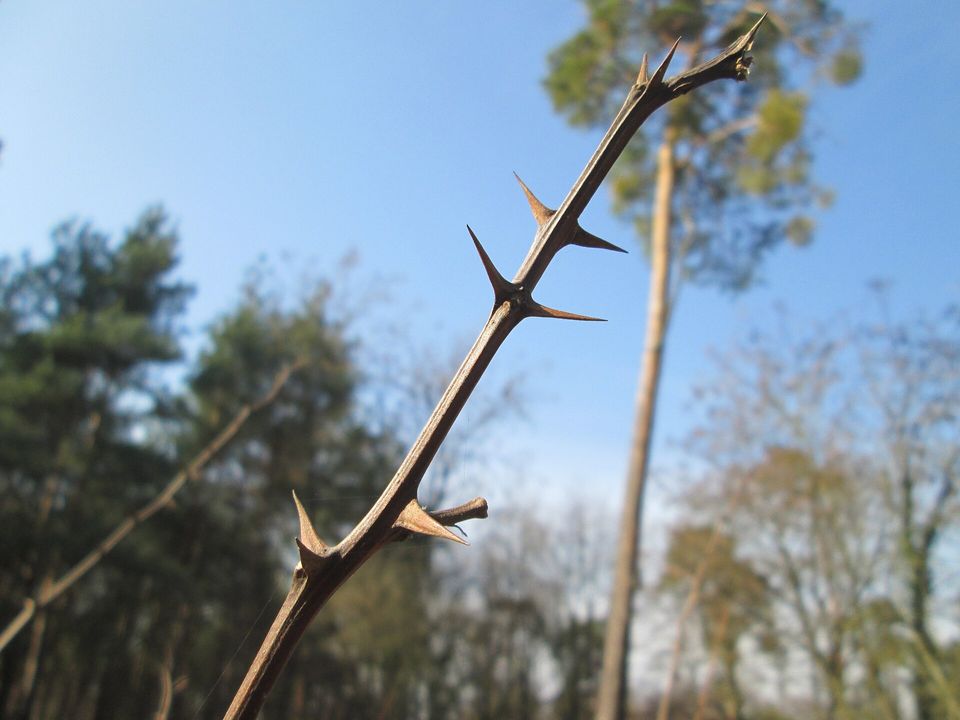 Black Locust
single stem, paired thorns
Indigo Bush grows as a multi-stem shrub clump from a single base — even at 1 ft, you'll see several stems. No thorns anywhere.
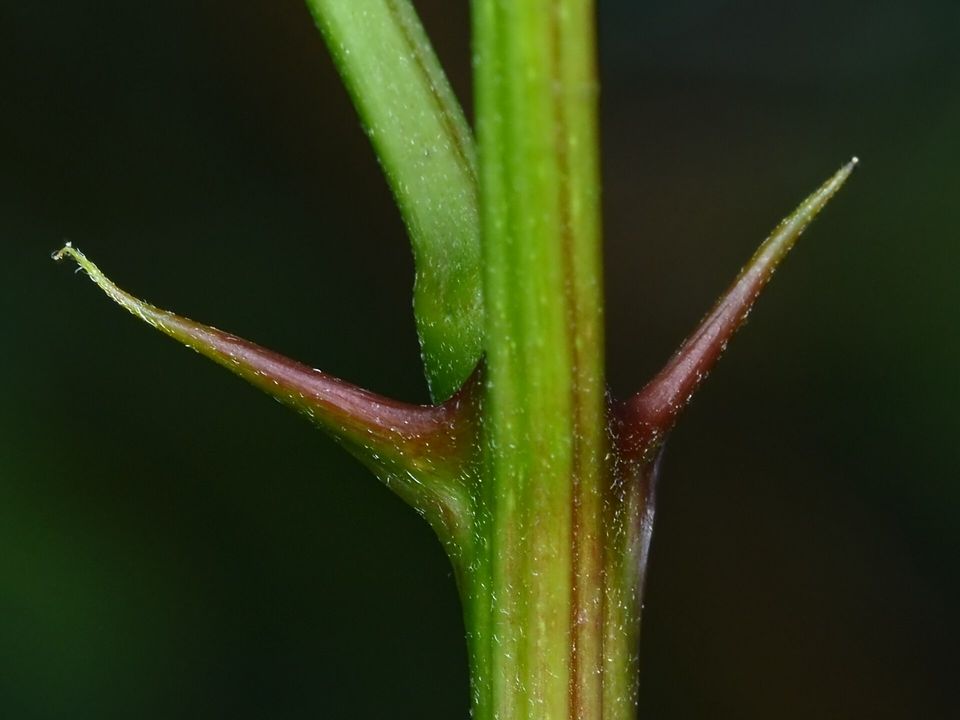
Black Locust emerges single-stemmed, even as a sapling. Look for paired thorns at every leaf node — sharp, ½–1 in., on every stem regardless of age.

Works year-round. Thorns are present on every locust stem from sapling to mature tree.
Flowers
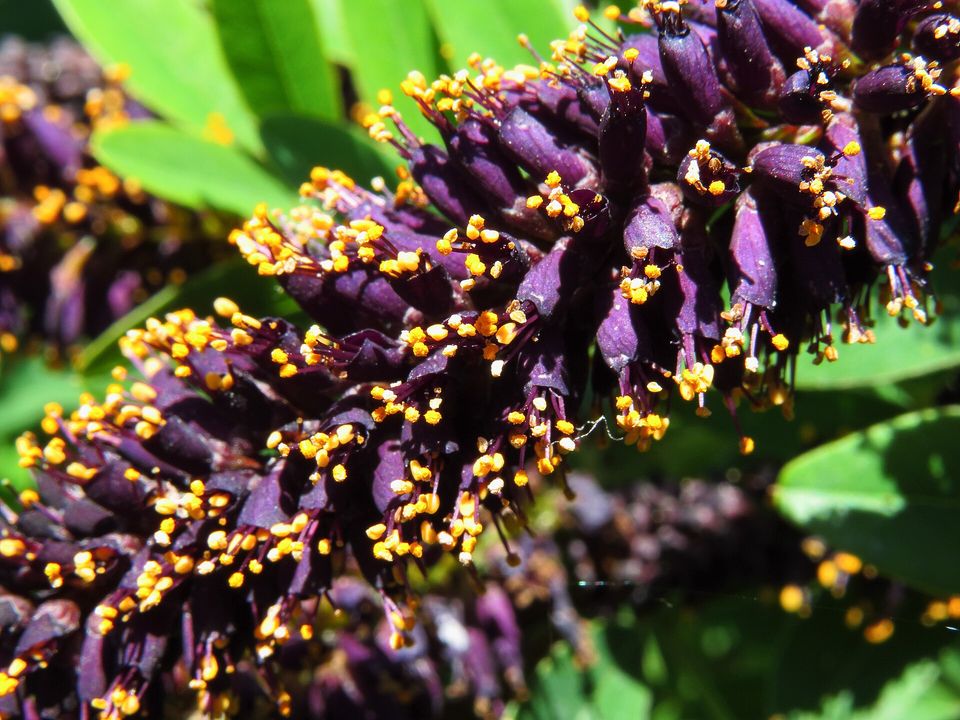 Indigo Bush
erect purple spikes
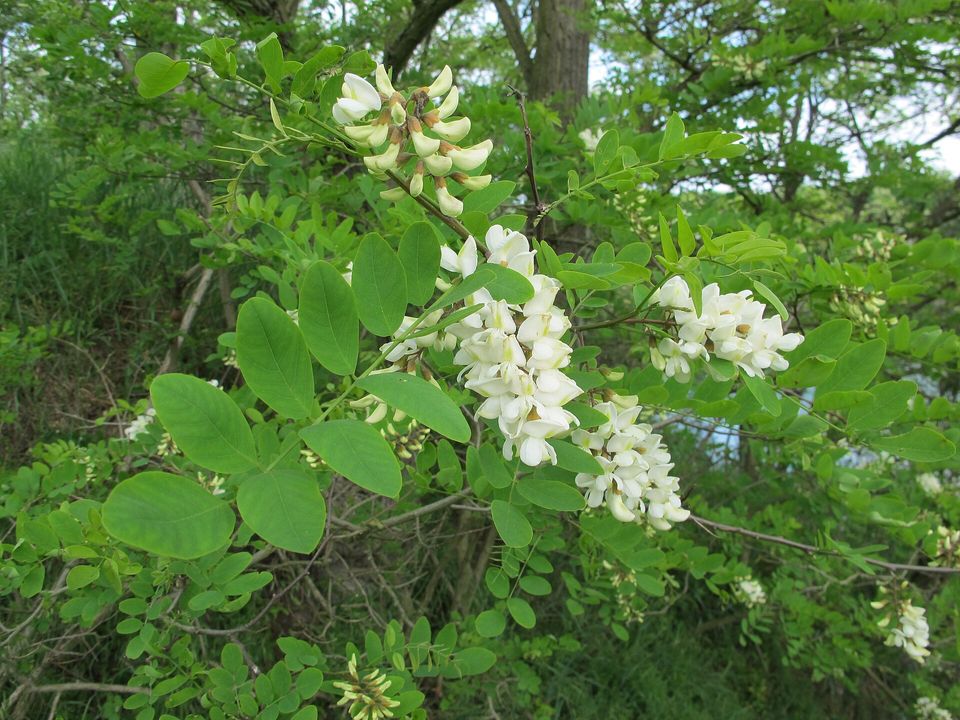 Black Locust
drooping white clusters
Indigo Bush: tall erect spikes of dark purple flowers with bright orange anthers — like little purple foxtails. Late spring.
Black Locust: drooping white flower clusters hanging like wisteria, very fragrant. Mid-to-late spring.
Seed pods
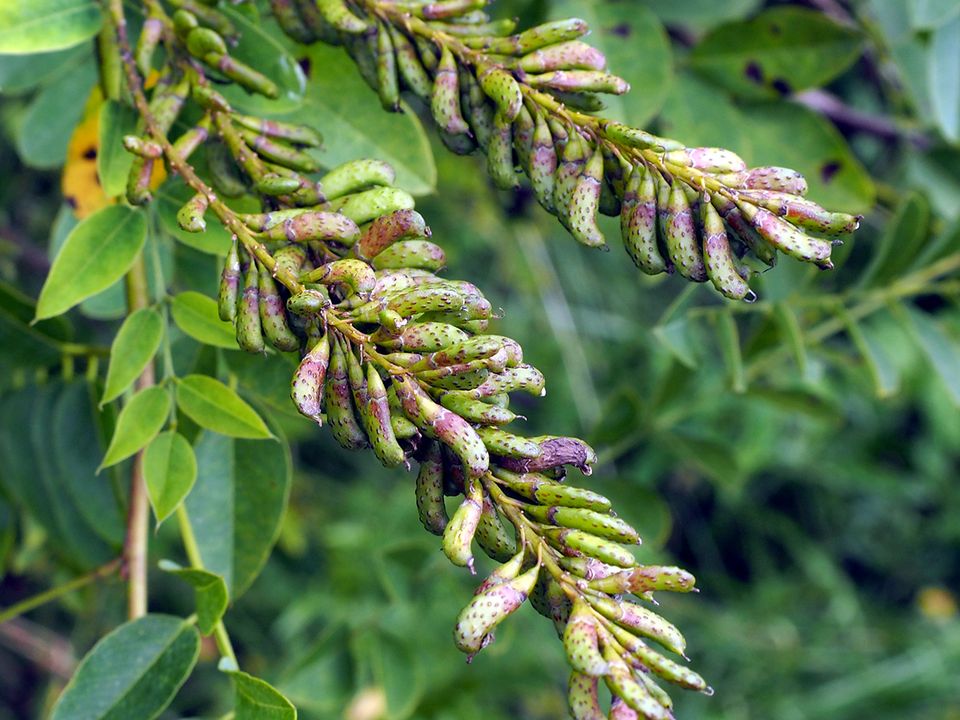 Indigo Bush
tiny bumpy clusters
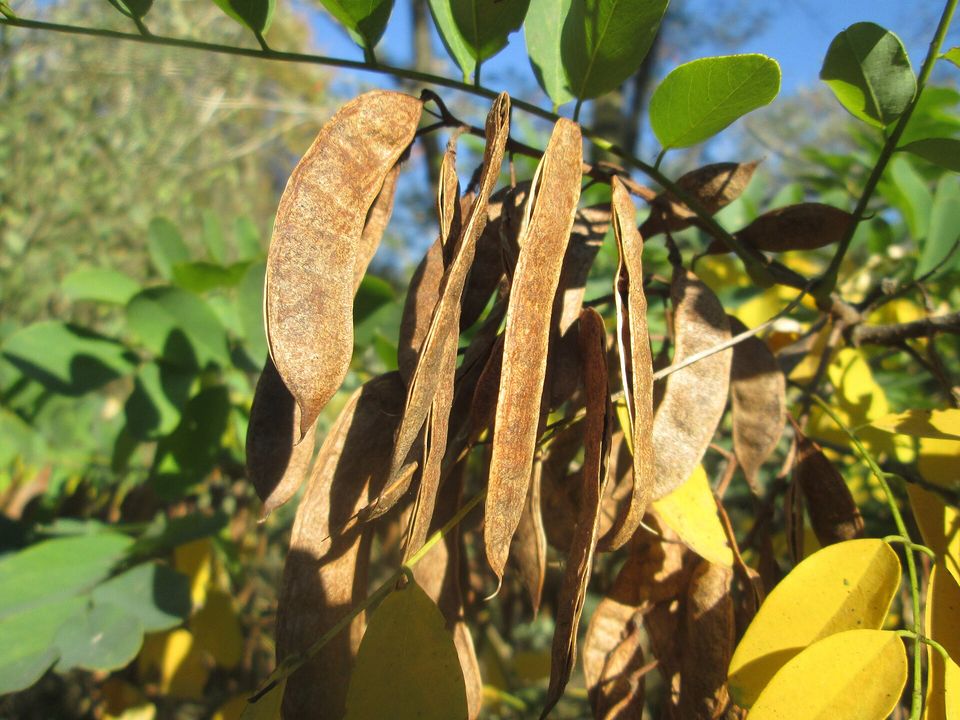 Black Locust
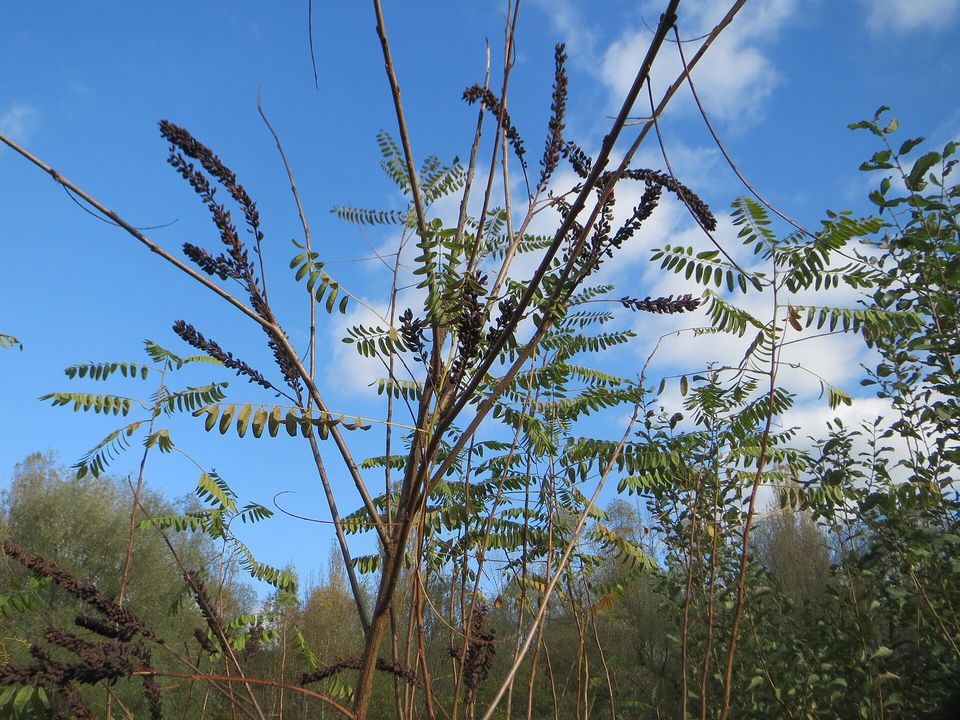
flat papery 2–4″ pods
Indigo Bush pods are tiny — ¼ inch, curved and bumpy, packed in dense fuzzy clusters along the stem. They look like a string of beads.
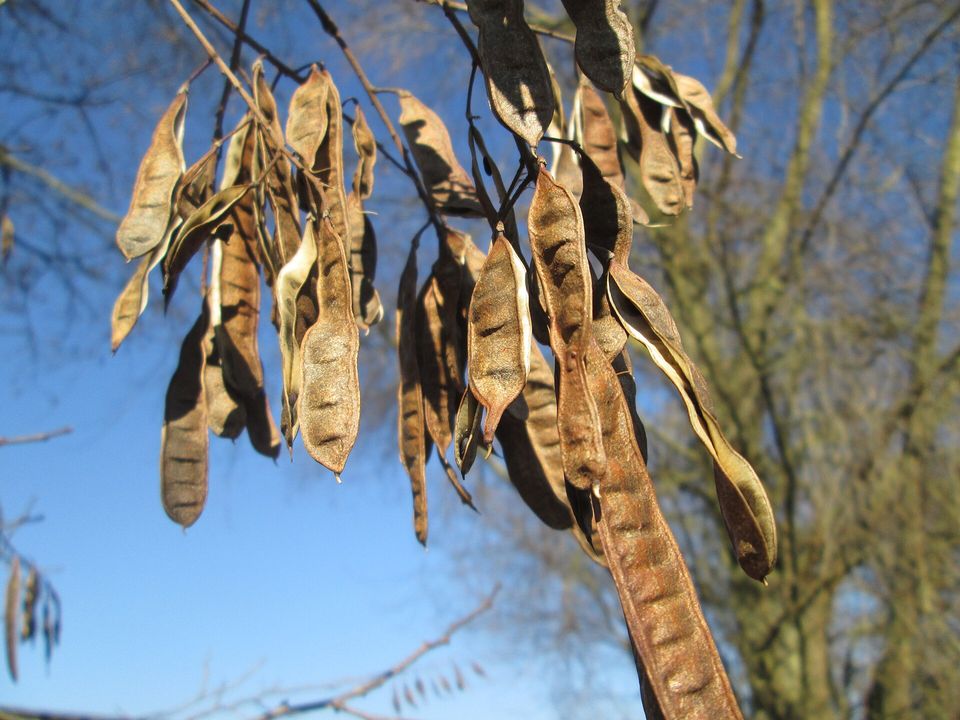
Black Locust pods are flat, papery, brown, 2–4 inches long, hanging from twigs. They persist through winter.
Pods hang on through fall and winter — useful when no flowers are visible.
 Quick check
Late June. 8 ft sapling, ~6 ft from centerline. Single dominant stem. You see paired thorns at every leaf node along the stem. Pinnate compound leaves with small oval leaflets. No flowers visible.
Keep or treat?
A. Keep
B. Treat
Quick check
Late spring. 5 ft multi-stem shrub clump at the wood edge, ~15 ft off centerline. Stems are smooth — no thorns anywhere. Tall erect purple flower spikes with bright orange centers.
Keep or treat?
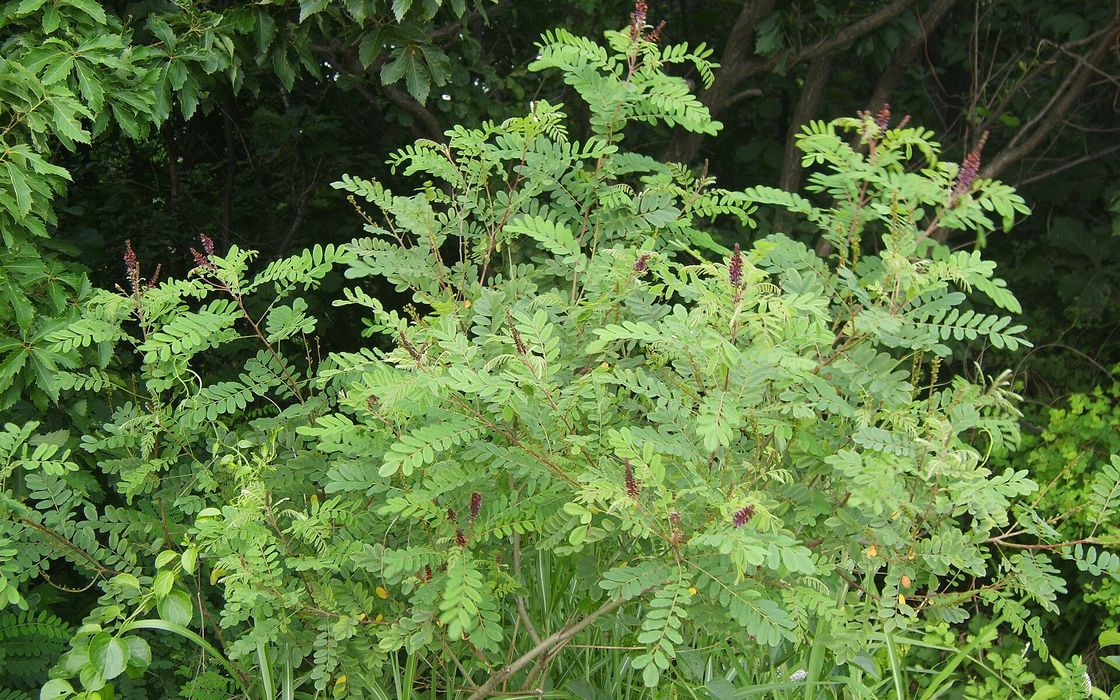
Photo: Dalgial / CC BY-SA 3.0
A. Keep
B. Treat
Quick check
Late October. 8 ft sapling, single dominant stem, ~12 ft off centerline. No flowers in season. Twigs show paired thorns at every node and last year's flat 3-inch papery brown seed pods hanging in clusters.
What's the right call?
A. Keep
B. Treat

Almost there
Answer all three checks and your score appears here.