Eastern Ninebark
vs Bradford Pear
One stays under 10 ft for life. The other is a 30-ft target. Tell them apart on sight.
Why They're Easily Confused
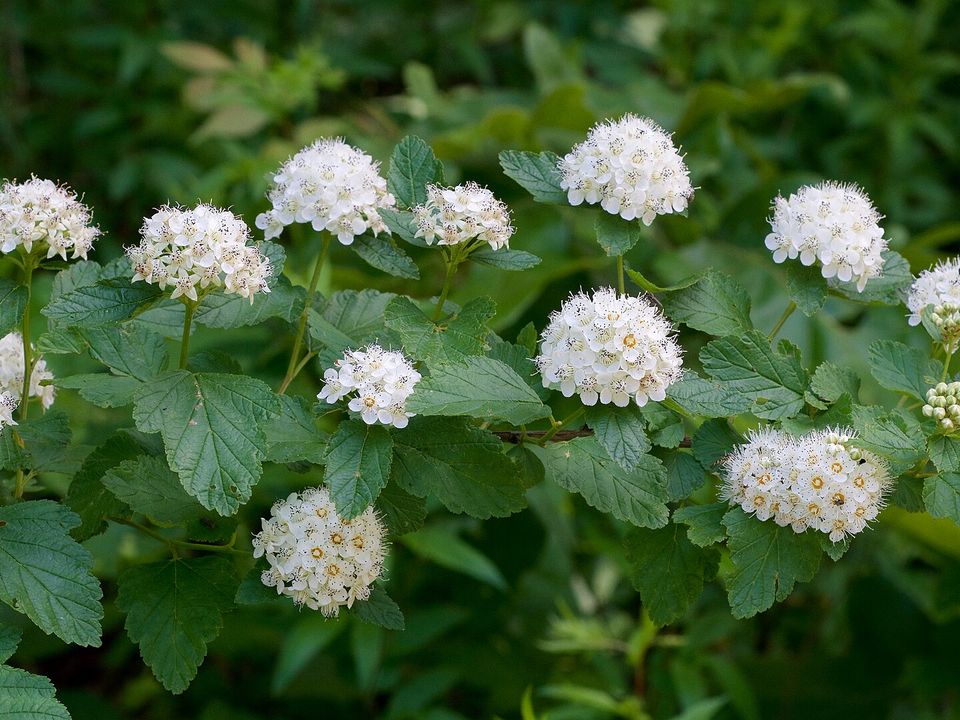
 Ninebark
stays under 10 ft
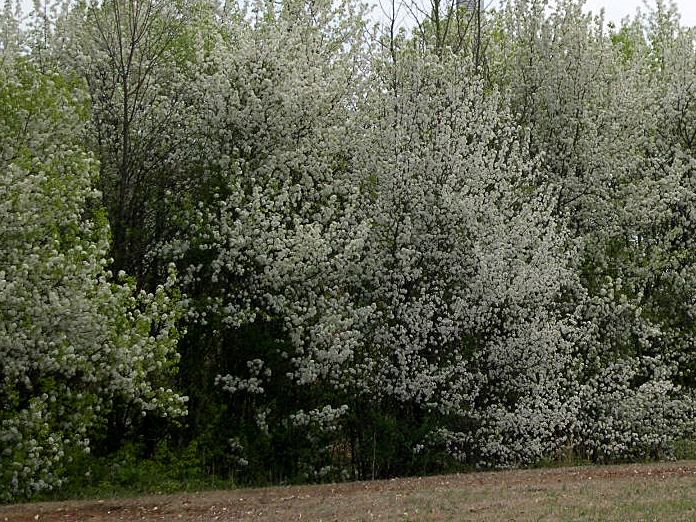
 Bradford
grows to 30+ ft
At younger growth stages, both can look like multi-stem shrubs with white spring flowers.
Ninebark stays a forever-compatible — max about 10 ft.
Bradford is a 30–50 ft target that'll reach the wires in a few seasons.
Leaves
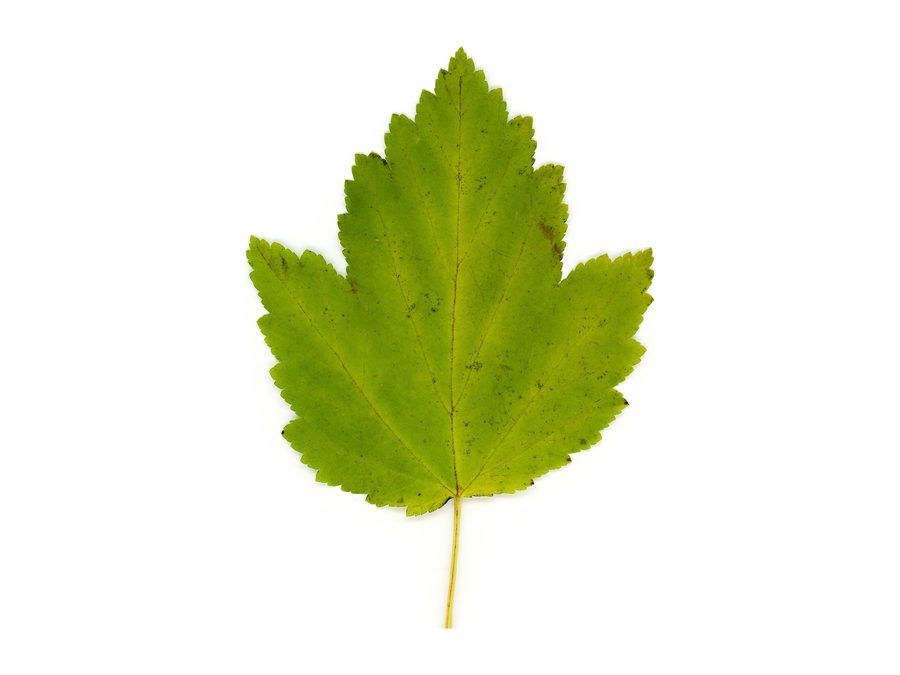 Ninebark
lobed, maple-ish
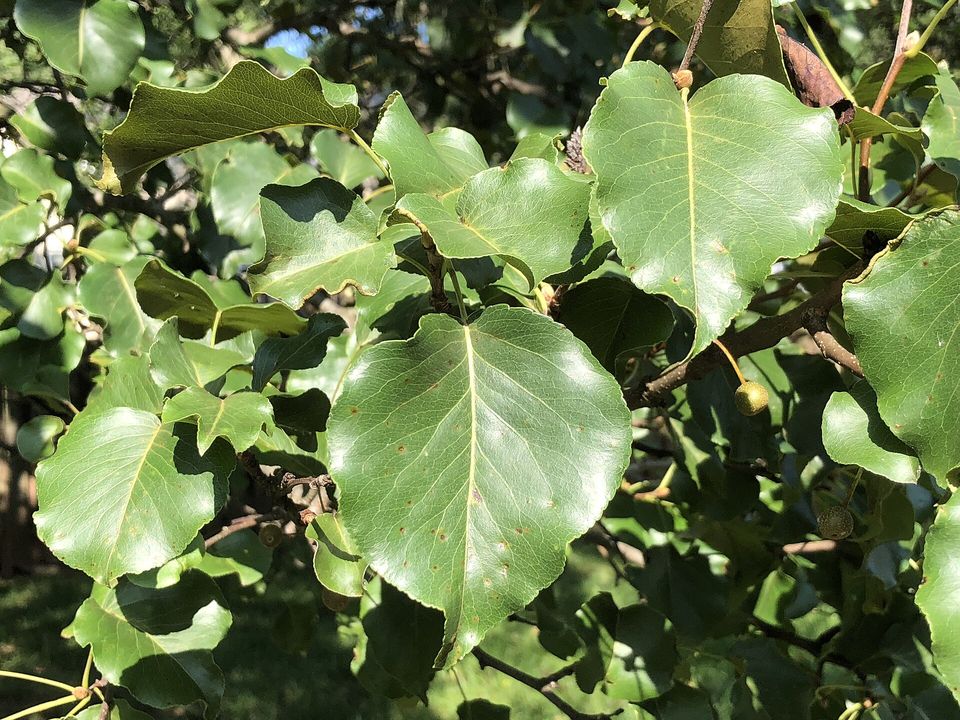 Bradford
simple, glossy ovals
Ninebark leaves are 3–5 lobed, dull green, with a maple-ish silhouette.
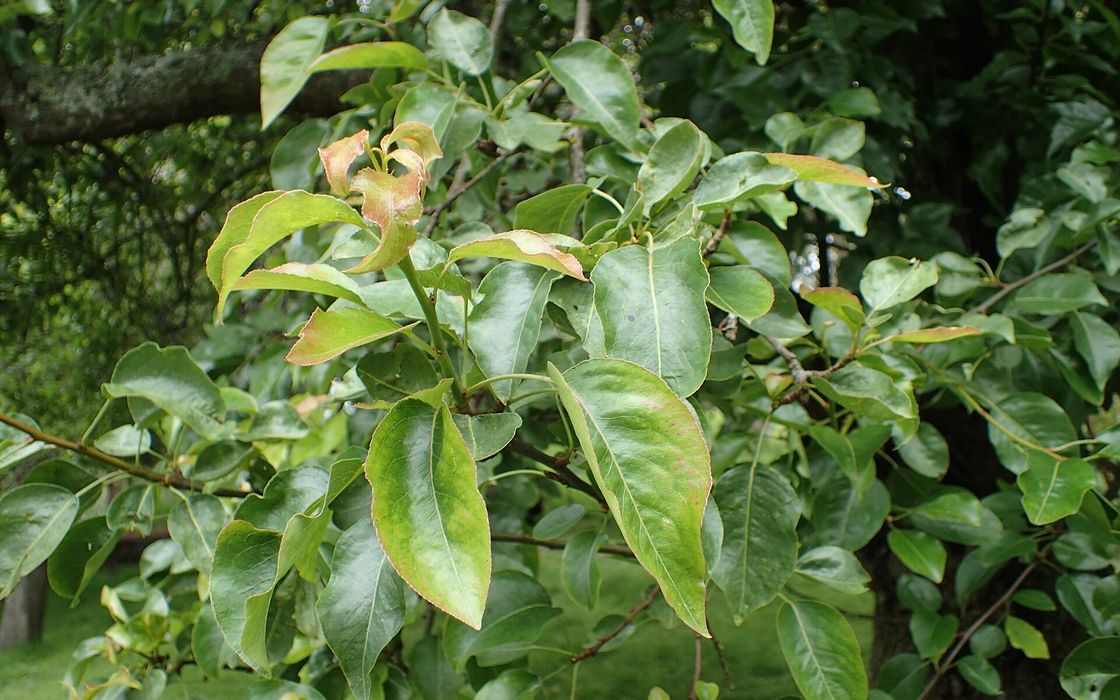
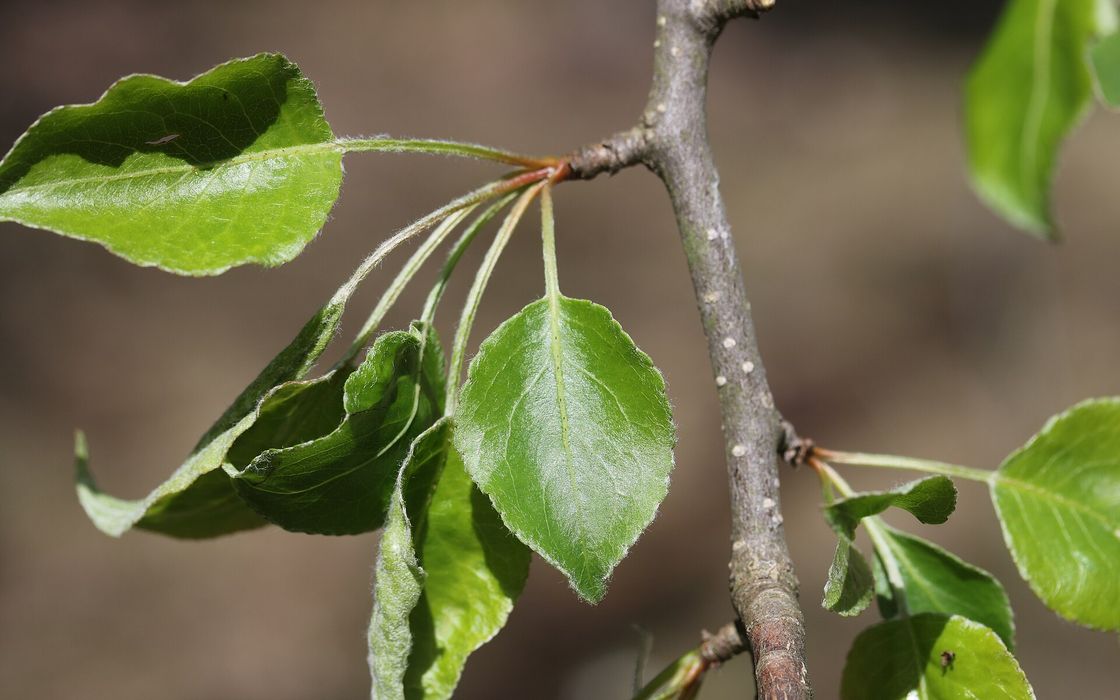
Bradford leaves are simple ovals or hearts, glossy and finely toothed — no lobes at all.

Bark
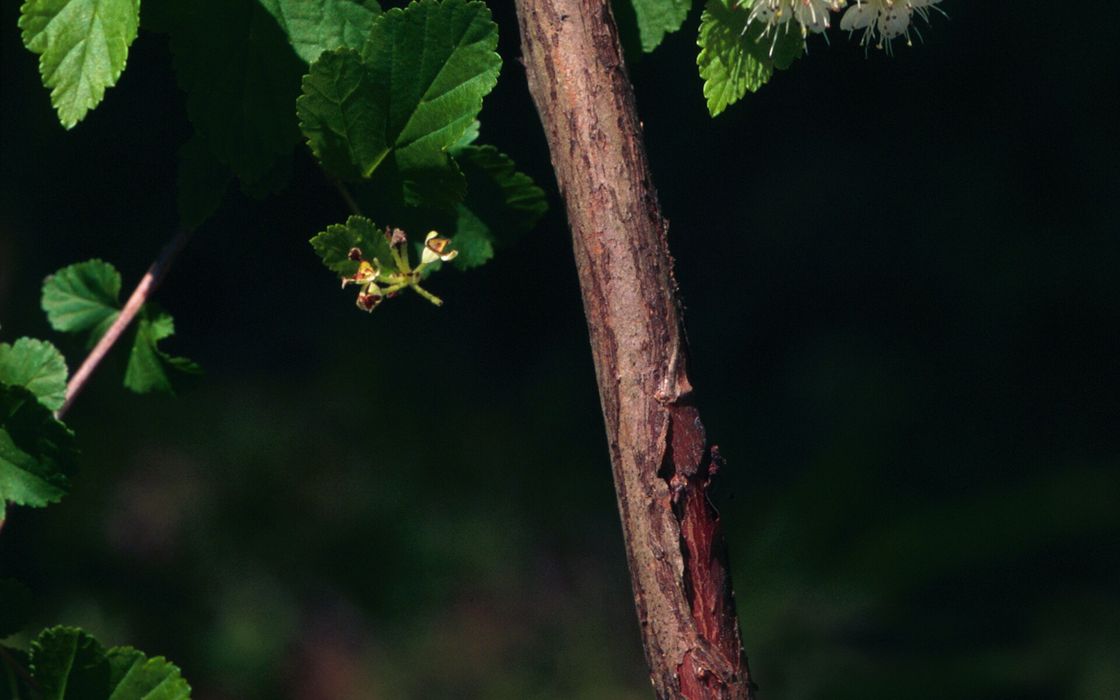
Ninebark is named for it — bark peels in papery vertical strips, layer after layer.
Bradford bark is smooth gray, shallowly fissured with age. Never papery, never peeling.
Works in winter when leaves are gone. Works on any stem you can see.
Flowers & fruit
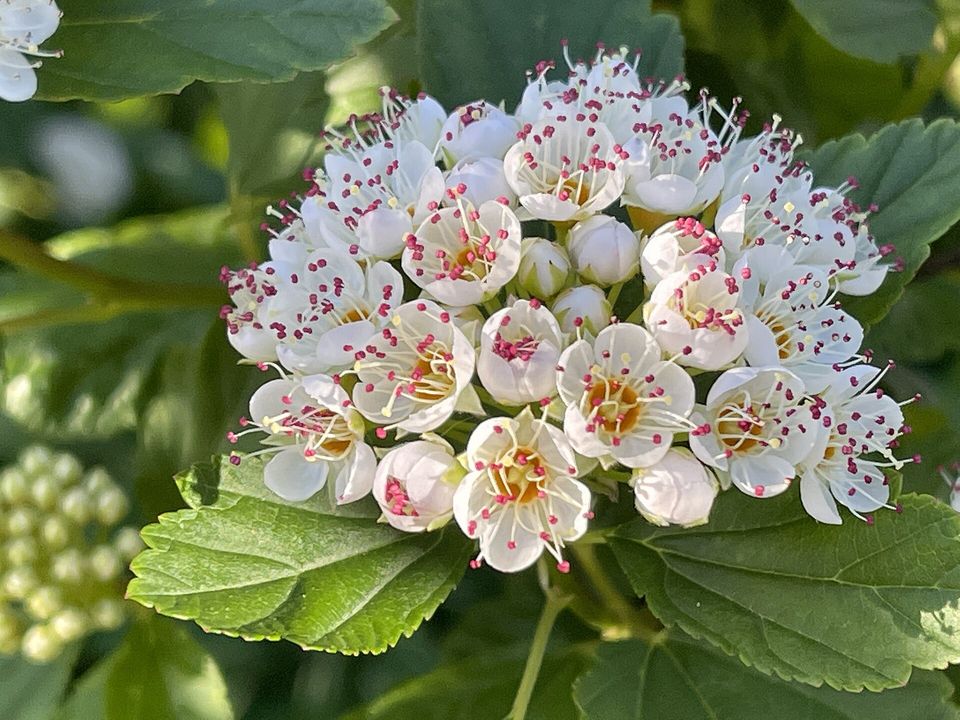 Ninebark
tight white pompoms
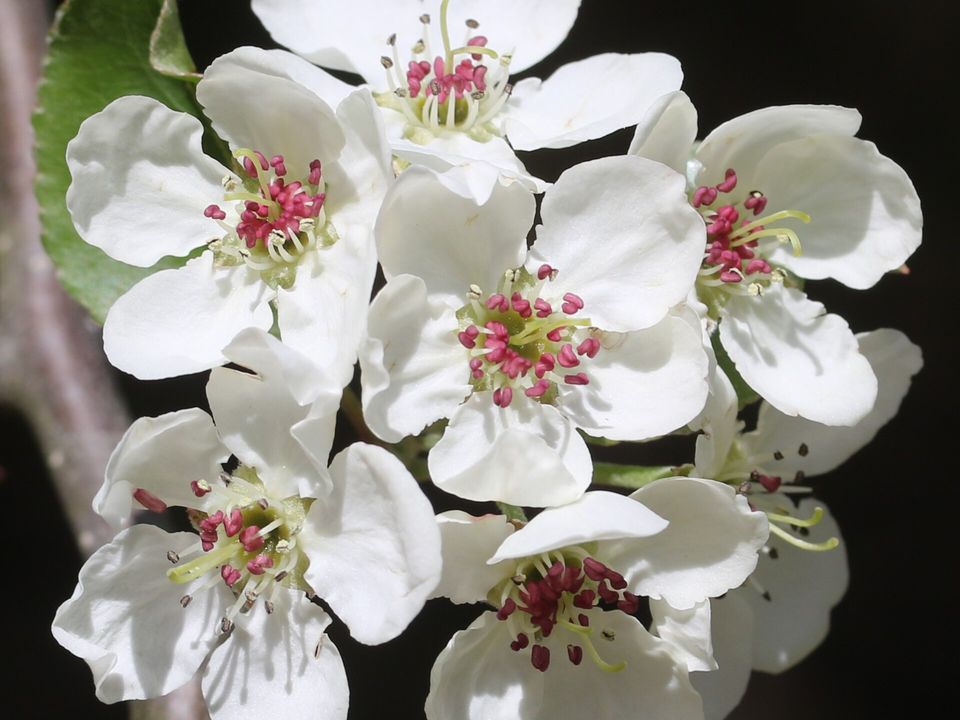 Bradford
5-petal, smells like rotten fish
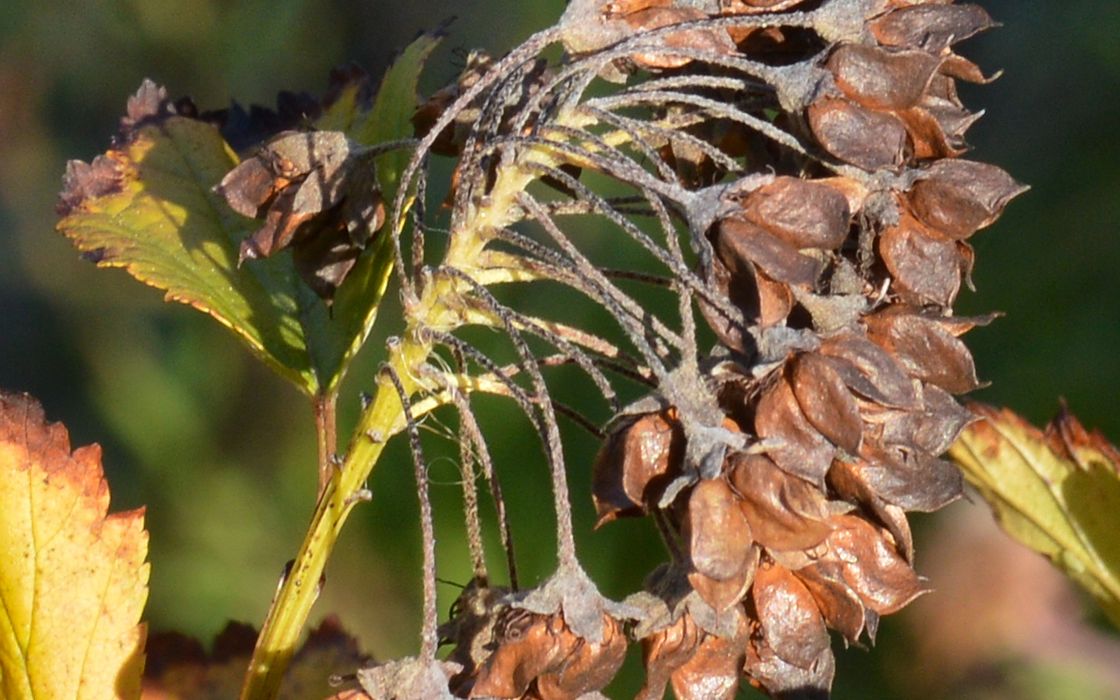
Ninebark: tight white pompom clusters in spring, drying to papery seed clusters that hang on through winter.
Bradford: looser 5-petal blooms with a strong, foul smell — and small hard pear-shaped fruits in late season.
 Quick check
Late June. ~6 ft multi-stem shrub right under the wire. Bark is peeling in papery strips on the older trunks. Dried flower remnants look like tiny balls.
Keep or treat?
A. Keep
B. Treat
Quick check
Winter survey. 5 ft sapling, no flowers, no fruit. Leaves are simple, glossy, heart-shaped, finely toothed. No lobes.
Keep or treat?
A. Keep
B. Treat
Quick check
3 ft sapling, ~30 ft off centerline. Smooth gray bark, simple oval leaves, no flowers visible.
What's the right call?
A. Keep
B. Treat

Almost there
Answer all three checks and your score appears here.