
ID Case File #5
The Discreet Discovery
August 18, 2025
Your client demands a quick eLearning fix for a 'toxic culture,' then bans the one tool you need: a survey. How do you run a discreet needs analysis? An instructional design case study on research methods and triangulation.
The Dilemma
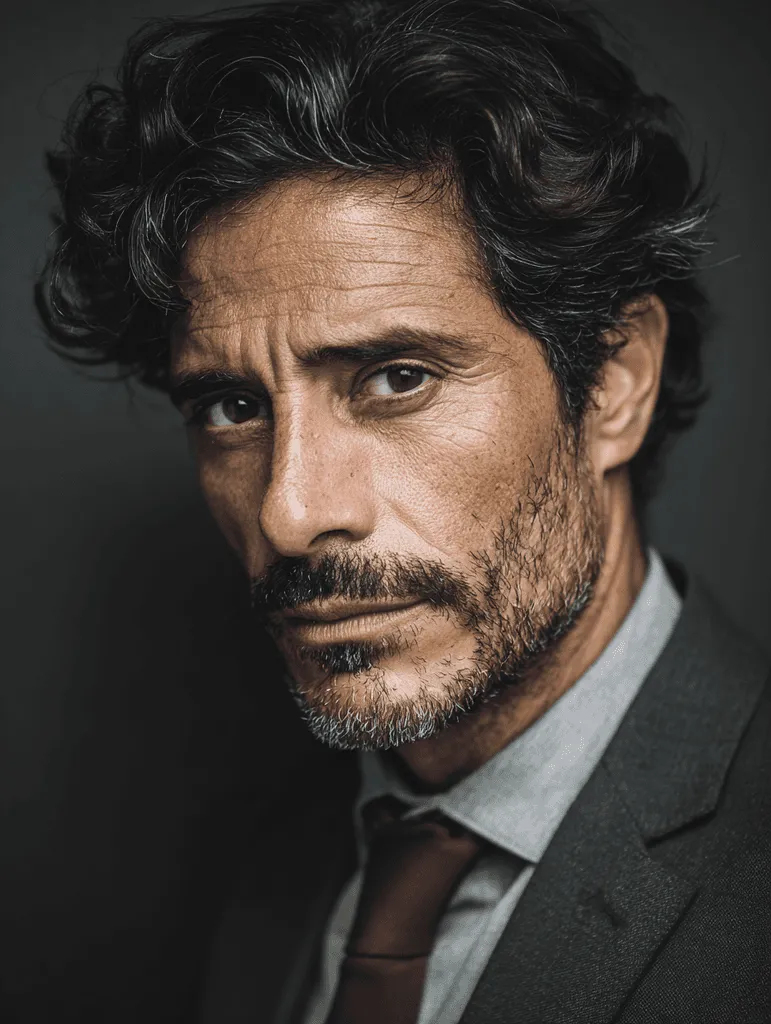
Paulo Ramos, the Regional HR Manager for The Alistair Group, came to us with a problem. His company, which runs a chain of upscale hotels, received several anonymous complaints from his region about a “toxic work environment and bullying.” Corporate has now mandated that he take immediate, visible action.
Paulo: Look, I need to show corporate that we’re addressing this. They’re already scrutinizing our region’s performance numbers, and I can’t afford another black mark. The fastest and quietest way to do that is to add a new ‘Respectful Workplace’ module to our annual mandatory eLearning for all hotel staff. It’s a concrete deliverable, and it shows we’re taking the complaints seriously. Can you build that for us?
You know that a generic eLearning module is a “check the box” solution that won’t solve a real cultural problem. You make the case that you need to conduct a brief, two-week research sprint to understand the real problem first. Paulo reluctantly agrees, but with a critical new constraint:

Paulo: Okay, you can do some research, but I absolutely cannot approve a new, chain-wide survey asking about a ‘toxic culture.’ I can’t have a formal report with that data getting back to corporate and making my entire region look bad before we’ve had a chance to fix the problem. Whatever you do, you need to be discreet.
You need to find the root cause of a sensitive cultural issue to determine if training is even the right solution. However, your best tool for gathering broad, anonymous data, a new survey, has just been taken off the table due to your client’s political concerns.
The Decision
You need to propose a research plan that is both discreet enough to get the client’s approval and robust enough to uncover the real problem. What do you do?
Which research plan do you propose?
Conduct Individual Interviews
You decide that for a sensitive topic like "bullying," the psychological safety of a confidential, one-on-one interview is the best way to get honest insight into the problem. Since you don't know who is having the problem, you propose to interview a stratified random sample of employees including front desk, housekeeping, and management, ensuring a representative mix of roles, shifts, and tenure. If the problem is as widespread as the complaints suggest, this method is guaranteed to uncover it.
See What Happens
The one-on-one interviews are a huge success. By creating a confidential, high-trust environment, you get a handful of employees to share powerful, personal stories. A consistent theme emerges: the "toxic culture" is a direct result of the specific behaviors of a few new, inexperienced mid-level managers who give harsh feedback and seem to play favorites.
From the employees, you hear powerful stories about the managers' specific behaviors. One employee tells you, "My new manager is a good person, but he doesn't know how to lead. He just tells us what we're doing wrong in front of everyone. It's humiliating, and it makes the whole team afraid to try new things."
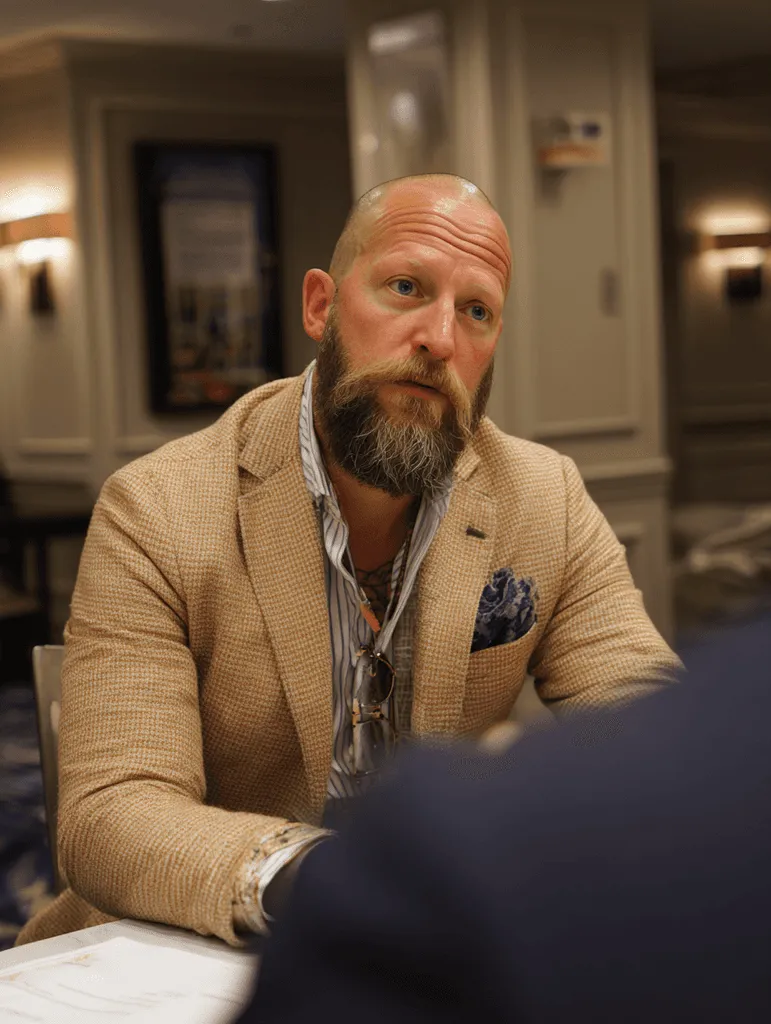
When you speak with the new managers, they are surprisingly candid. One manager confesses, "The pay bump is nice, but I was the best concierge in the city, I loved what I was doing. I don't feel prepared to manage the whole hotel. I'm trying my best, but I'll admit, sometimes the stress gets to me."
The Outcome: You come back to Paulo with a powerful, data-driven, and human-centered diagnosis. You have successfully uncovered a two-part, systemic problem: a flawed internal promotion process that is setting new managers up to fail, and a resulting critical skill gap in those new managers.
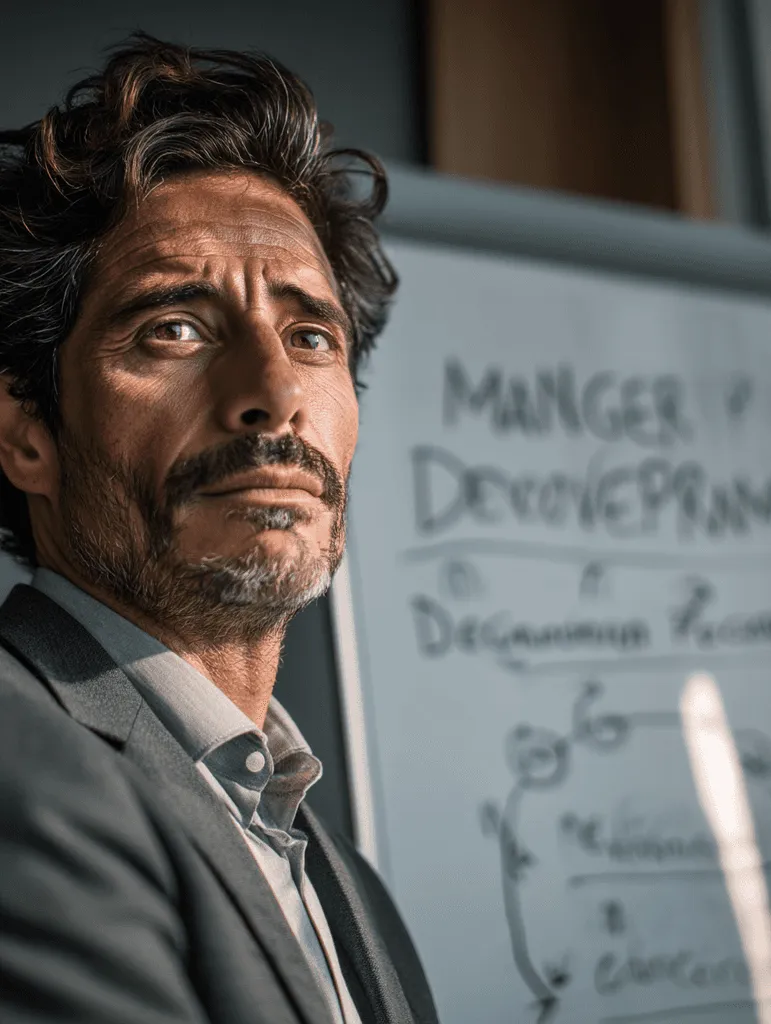
You can now definitively advise Paulo that a generic "Respectful Workplace" module would be a complete waste of money. The real, comprehensive solution is to design and build a new "Manager Development Program" focused on the specific skills these new managers are lacking. The curriculum would include core topics like Hotel Operations 101, how to give clear and constructive feedback, delegation techniques, and strategies for motivating a team in a high-pressure service environment.
This program would not just be for future hires. You propose that the current group of struggling new managers participate as the official pilot group. To further build buy-in and honor their on-the-ground experience, you will also invite them to provide direct feedback during the design and development process, helping to ensure the final program is both relevant and immediately useful for the real-world challenges they face.
Conduct a Focus Group
A "toxic culture" is a social problem that can only be understood by seeing it in context. You decide to first conduct discreet, direct observation of the team during a busy shift. Then you will conduct in-person focus groups with a mix of staff from different roles, carefully selecting those where you observe the most tension. You will use your specific, real-world observations to facilitate a more targeted focus group, asking the employees to talk about the "why" behind the friction.
See What Happens
Your direct observation of the lobby during a busy check-in period immediately reveals a key point of tension. You witness the front desk staff, under immense pressure from a long line of guests, making repeated, frantic calls to the housekeeping team to get updates on "room readiness." You then observe the housekeepers, who look stressed and are constantly interrupted by the calls, breaking their workflow. You also notice a subtle power dynamic: the front desk staff, who wear tailored suits, tend to speak with more authority than the housekeeping staff in their standard uniforms.
Armed with these specific, real-world observations, you conduct the focus group. With the manager in the room, the employees are naturally hesitant to blame specific people. Instead, you use your observation as a neutral starting point for the conversation. You say, "I noticed there's a lot of back-and-forth communication about room readiness. Can you walk me through that process?"

This opens the floodgates. The employees talk openly and honestly about the systemic problems that make their jobs stressful. The front desk staff explains their pressure from guests, and the housekeeping staff explains how the constant interruptions make them feel disrespected and micromanaged. One housekeeper says, "They're constantly asking us for updates, as if they think we don't know what we're doing. It feels like they don't trust us."
At the end of the session, the hotel manager pulls you aside. He says, "Thank you for that. That was incredibly enlightening. To be honest, I had no idea there were so many issues with our room turnover process."
The Outcome: You have uncovered a flawed business process. You can now definitively advise Paulo that a generic "Respectful Workplace" module would be useless.
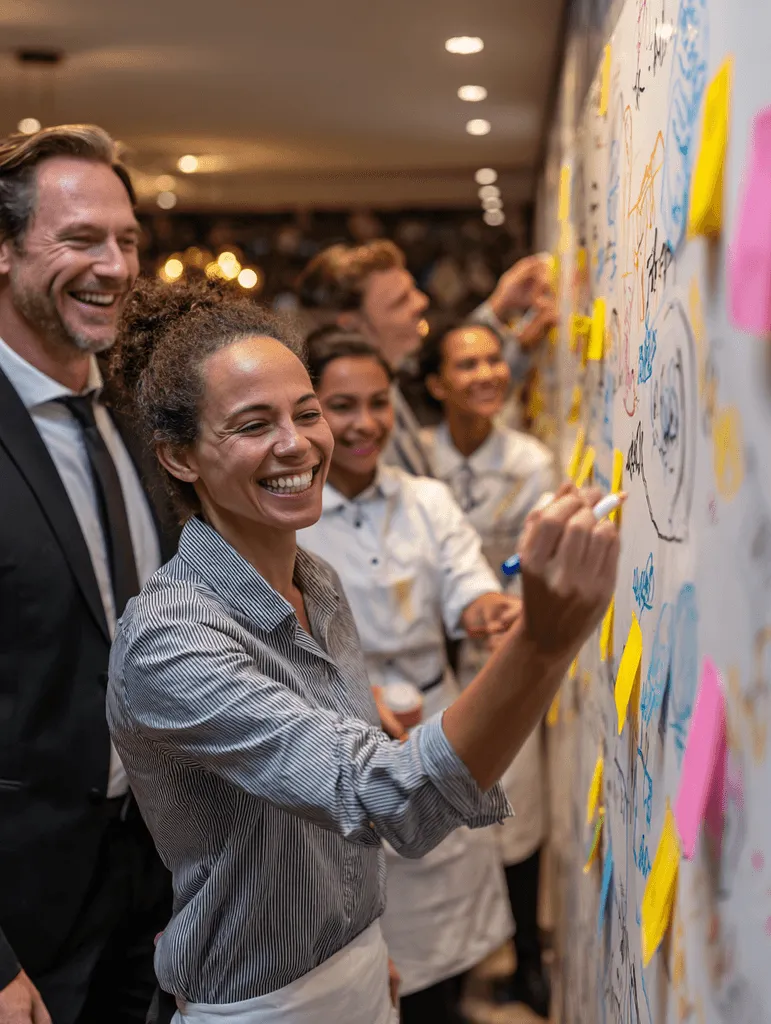
The real solution is not a training intervention, but an operational one: a process redesign workshop. In this workshop, you propose bringing the front desk and housekeeping teams together to map out their current workflow, identify the communication breakdowns, and co-create a new, shared communication protocol that everyone can agree on.
The Debrief

As you saw from the two outcomes, your choice of research methods has a massive impact on the kind of problems you can uncover. In this case, both paths led to a real, evidence-based finding, and both are valuable. The key takeaway here is that the questions you ask and the people you talk to will fundamentally shape your understanding of the problem.
By choosing to conduct Individual Interviews, you created a high-trust, confidential environment. This allowed you to get past the surface-level process issues and get to the deep, human story. You uncovered two critical but related issues: a systemic flaw in the company’s promotion process and a resulting leadership skill gap in the new managers.
On the other hand, by choosing to conduct Focus Groups & Observation, you focused on the observable, systemic issues. With the manager in the room, it was less likely you’d hear the personal stories, but you were perfectly positioned to diagnose the flawed business process causing the daily friction between the front desk and housekeeping.
Triangulation
In a real-world, unconstrained project, we would have done both analyses. These problems are likely interconnected: the new, unprepared managers are probably the ones who are failing to manage the broken room-readiness process effectively.
An instructional designer’s job isn’t just to find a problem; it’s to get the full picture. This is where we move beyond a simple needs analysis and into a more sophisticated way of thinking. The most important principle in a complex discovery like this is Triangulation. The goal of research is to use multiple data sources to validate and build a complete picture of a problem.

So, how did we arrive at those two different paths? By choosing from a toolkit of End-User Research Methods. Each method is a different lens that can show you a different part of the problem. Let’s break down the methods that were on the table in this scenario.
Document Analysis
This is often the most discreet and data-rich starting point for any discovery. Document Analysis is the systematic review of existing organizational documents to find clues about a performance problem. This can be both quantitative and qualitative.
In this case, this is the method used in the preliminary investigation. By conducting a quantitative analysis of HR records (turnover metrics) and guest complaint logs, we were able to identify the “hotspot” hotels. We then conducted a qualitative analysis by reviewing the text of the anonymous complaints and exit interview comments to form the initial hypothesis. This is a powerful, evidence-based way to frame a problem before engaging in deeper, more time-consuming research methods like interviews or focus groups.
Surveys
Next, let’s review the tool we couldn’t use. A survey is a powerful tool for gathering a mix of quantitative (e.g., multiple choice, rating scales) and qualitative (e.g., open-ended questions) data from a large pool of end-users. Its primary strengths are its reach and its ability to provide statistical significance.
An anonymous survey would have been the fastest way to determine the scale of the ‘toxic culture’ problem across the entire region. However, the client’s political constraints made this impossible. This is a critical real-world lesson: the theoretically “best” research method is useless if your client won’t approve it. Our ability to be flexible and creative in our approach is a key part of our value as consultants.
Interviews
Individual interviews are in-depth, one-on-one conversations designed to gather rich, detailed insights. They are the best method for building trust and exploring complex or sensitive topics, as the confidential, one-on-one setting encourages honesty and vulnerability.
Conducting individual interviews was a strategic bet that the root cause was a human problem that could only be uncovered through deep, personal stories. Interviewing both the new managers and the front-line staff allowed you to build empathy and uncover the complex, intertwined issues of a flawed promotion process and a resulting leadership skill gap.
Focus Groups
Focus groups are facilitated discussions with a small group of users to explore shared experiences and observe group dynamics. They are less effective for deeply personal or sensitive topics, as people are often hesitant to be vulnerable in front of their peers, especially if a manager is present.
This path was a strategic bet that the root cause was a systemic process problem that would be revealed in how the employees talked about their shared work. As we saw, with the manager in the room, the employees naturally focused on the less personal, systemic issues, which led you to uncover the flawed communication process between the front desk and housekeeping.
Direct Observation
Direct observation involves watching users in their natural environment to understand their workflow and uncover hidden pain points that they might not be able to articulate. It’s a powerful tool for seeing the difference between what people say they do and what they actually do.
The observation of the lobby during a busy check-in was not just a supplementary activity; it was the key that unlocked the value of the focus group. By witnessing the friction firsthand, you were able to ask a much more targeted and effective question (“I noticed there’s a lot of back-and-forth… can you walk me through that process?”), which allowed you to guide the group to the root of the process problem.
The Bottom Line
The two problems uncovered are not separate; they are a cause-and-effect loop. A flawed promotion process is creating unprepared managers, and those managers are, in turn, creating a ‘toxic culture’ through their poor management of the broken room-readiness process.
If you use only one approach, you risk only solving half the problem. Your responsibility as a consultant is to be transparent about these limitations and advocate for a truly comprehensive solution. It’s a bigger, more complex, and more costly approach, but a blended solution that addresses both the systemic flaw and the skill gap is the only one that will actually solve the client’s problem for good.

Community Insights
Real-world feedback from instructional design practitioners polled on LinkedIn, Reddit, and ID forums such as ONILP and Useful Stuff.
of polled professionals advised to conduct individual interviews.
- Conduct 1-on-1 Interviews 53%
- Conduct a Focus Group 47%
Opinion split almost evenly: a narrow 53% majority favored confidential one-on-one interviews, arguing that a sensitive topic like bullying needs the psychological safety of a private conversation, while 47% leaned on a focus group. A recurring theme in the comments was to blend the methods, observe first and then interview, and several practitioners argued the real issue is a culture problem that sits outside a contract ID's scope.
Featured comments